Celebrating 175 Years of Excellence
For 175 years, the University of Minnesota has helped shape the state’s future — advancing knowledge, strengthening communities and serving the public good.
Founded in 1851 before Minnesota became a state, the University of Minnesota’s discoveries have changed lives, from life-saving medical breakthroughs to innovations in agriculture, industry and the environment. Today, that legacy lives on through the people who make this place extraordinary — the students, alumni, faculty and staff whose work reaches every corner of the state and beyond.

What’s your University of Minnesota story?
As we celebrate 175 years, we want to hear about the milestones that have shaped your University of Minnesota story.
University of Minnesota History
1851-1900
1851
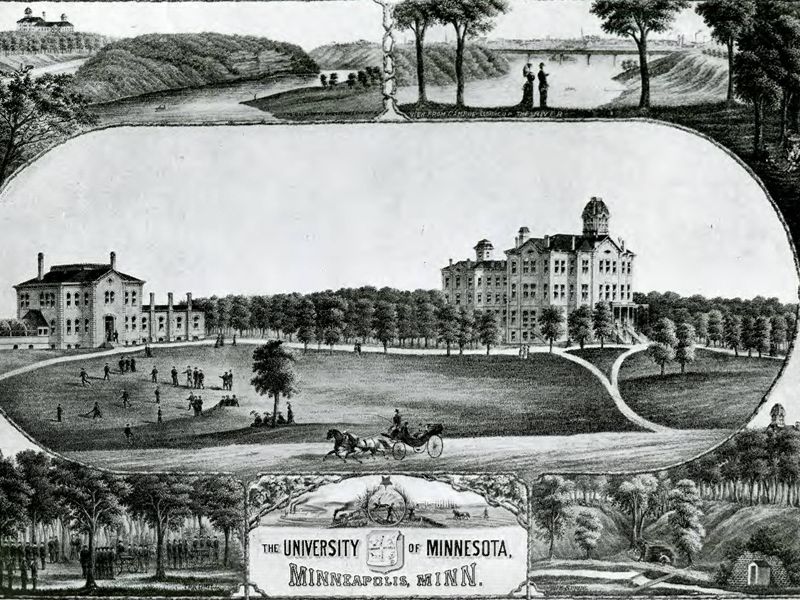
The Minnesota Territorial Legislature and Gov. Alexander Ramsey charter the University of Minnesota and elect a board of regents, seven years before Minnesota becomes a state in 1858.
1858
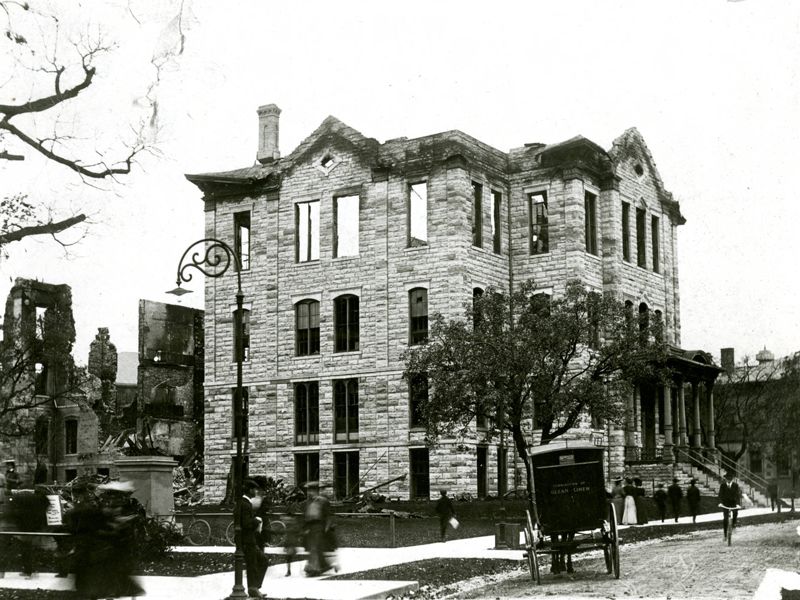
Construction is completed on Old Main, the University’s first permanent building, located in the Historic Knoll Area of campus.
1872
An act of the Minnesota Legislature mandates that natural history and geological specimens be prepared and a museum established at the University. This would later become the Bell Museum, Minnesota's official natural history museum.
1873
Warren Clark Eustis and Henry Martyn Williamson are the first graduates.
1875
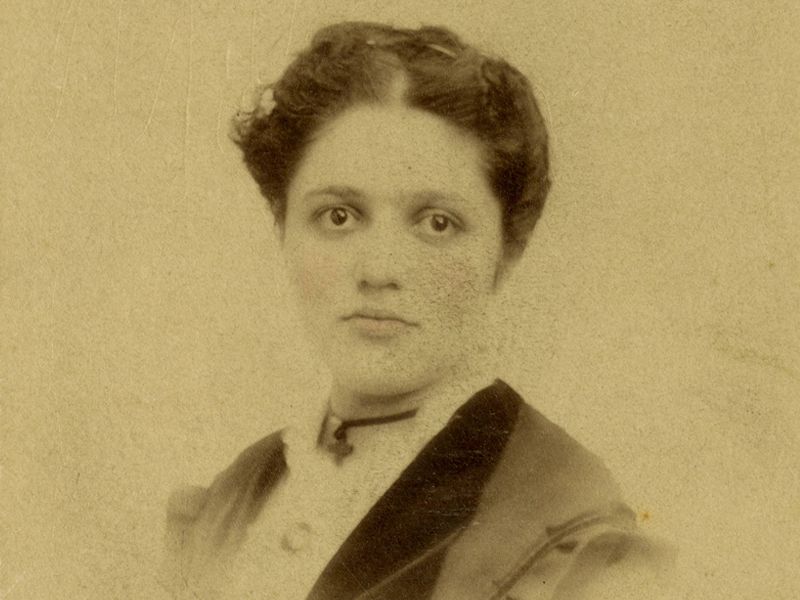
Helen Marr Ely is the first female graduate and delivers the valedictorian speech.
1882
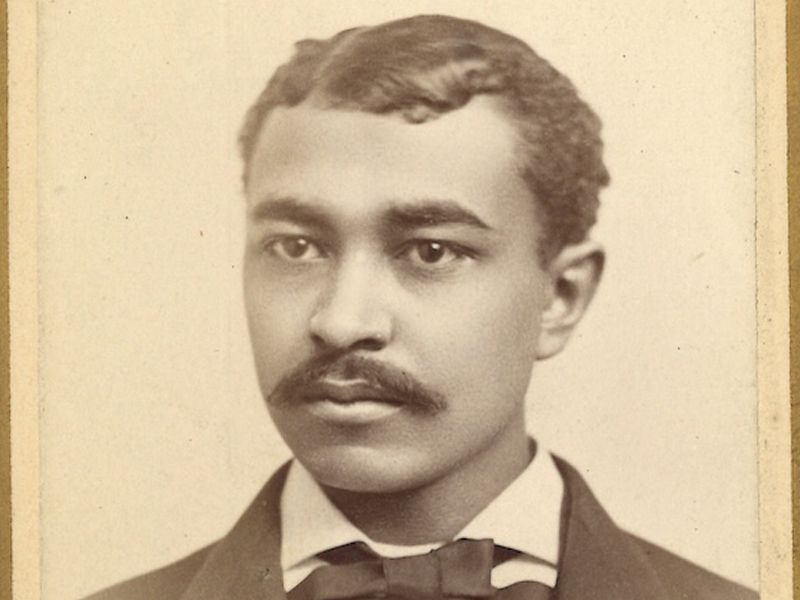
Andrew Hilyer becomes the first African-American graduate.
1888
The first PhD degree is awarded.
1892: The College of Pharmacy — still the only pharmacy school in Minnesota — admits its first students.
1898
Cheerleading originates nationwide when medical student Johnny “Jack” Campbell organizes unified cheers in a home football game against Northwestern University. The Gophers won and a cherished tradition was born.
1900 - 1939
1908
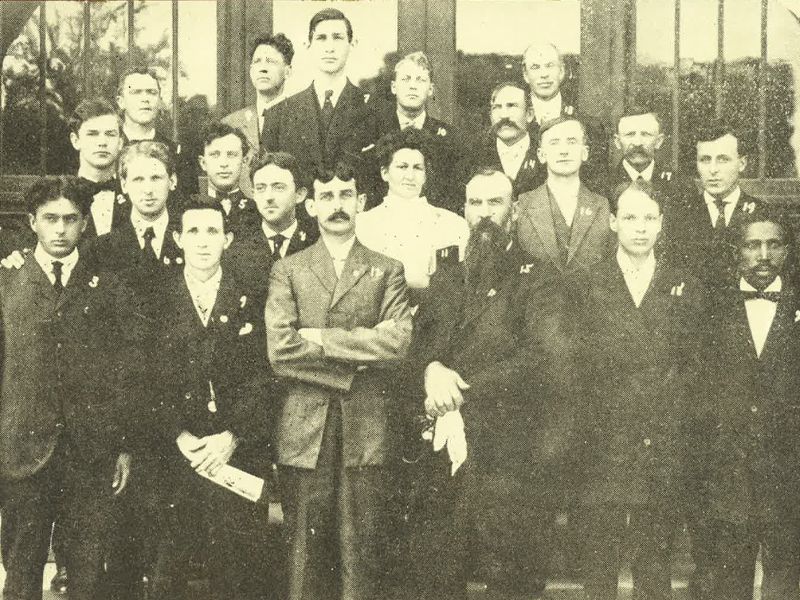
The Program of Mortuary Science — the first program of its kind to be organized at a state university in the U.S. — graduates its first class.
1909
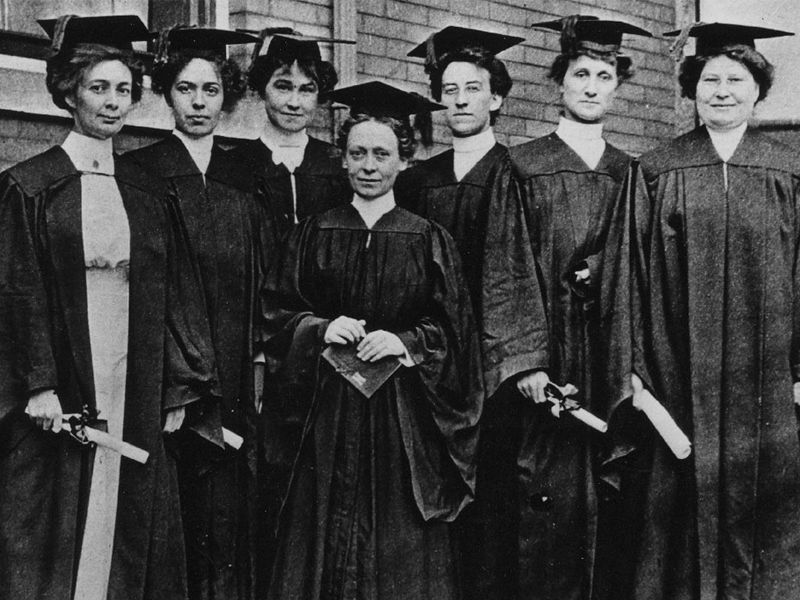
The School for Nurses, now known as the School of Nursing, begins. It’s the first continuing nursing school on a university campus in the U.S.
1909
Extension is established at the University after an act was created to maintain a division of agriculture extension and home education in the Department of Agriculture.
1940-1949
1940
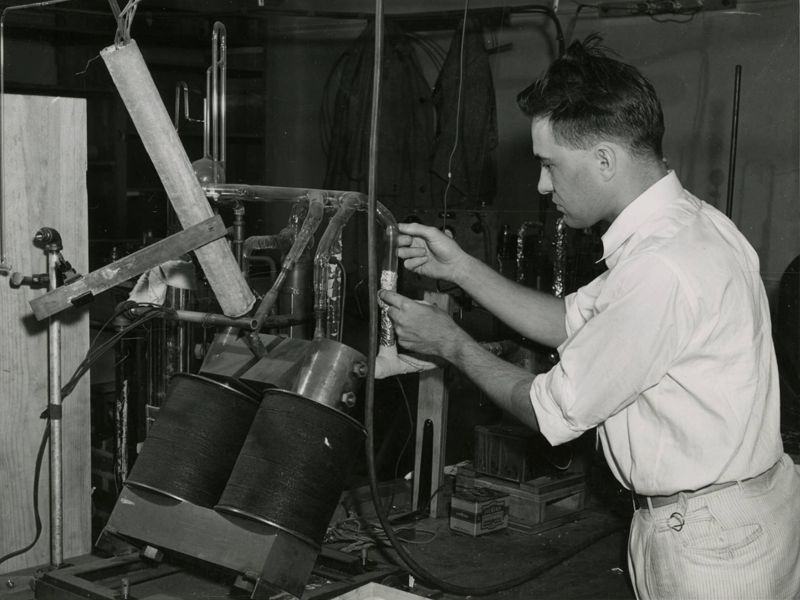
Physics professor Alfred O. C. Nier establishes that uranium 235 is responsible for slow fission in uranium, ushering in the atomic age in the 1940s.
1941
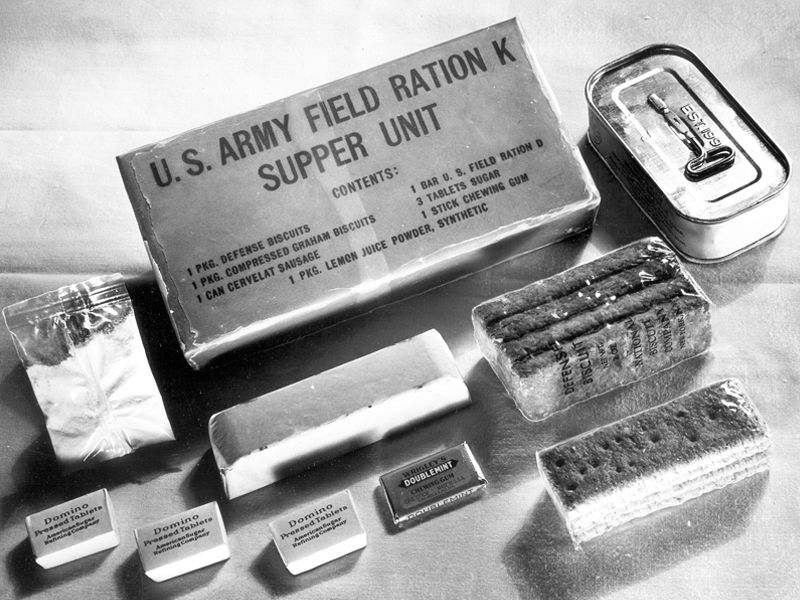
At the request of the U.S. War Department, physiologist Ancel Keys develops the K-Ration for soldiers in World War II. K-Rations were non-perishable, ready-to-eat meals that came with cigarettes, toilet paper and chewing gum.
1943
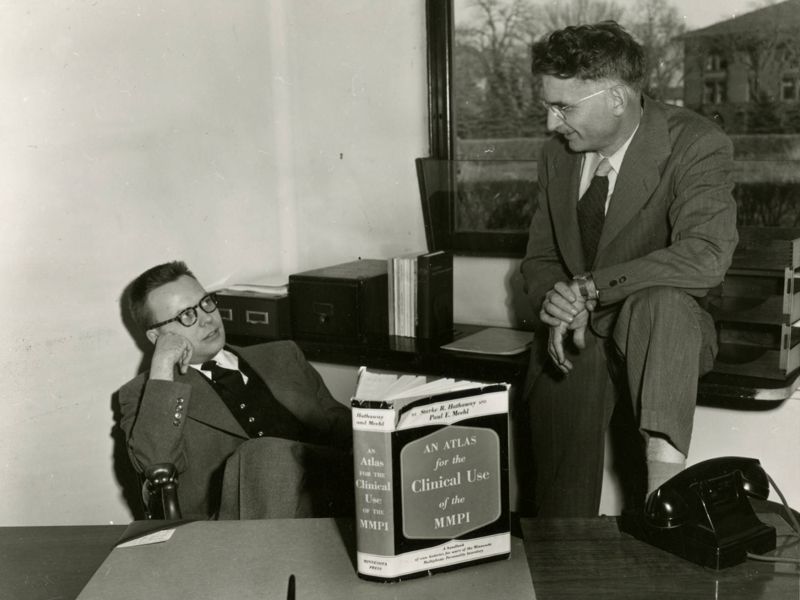
University researchers publish the Minnesota Multiphasic Personality Inventory, the world’s most widely used personality test.
1943
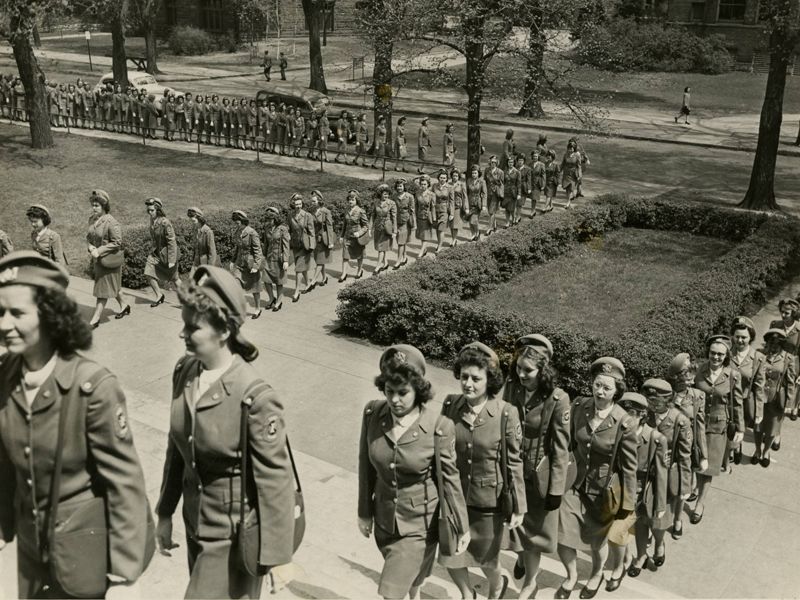
During World War II, the School of Nursing trains the largest group of nursing students in the nation for the U.S. Cadet Nurse Corps of the U.S. Public Health Service. More than 1,200 nurses were trained.
1947
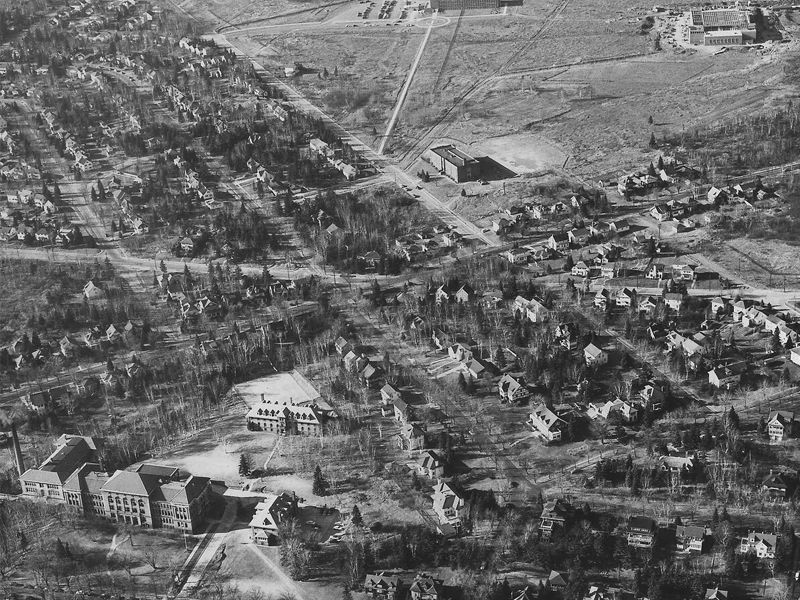
The University of Minnesota, Duluth Branch was established as a branch college of the University. The Duluth campus traces its origins back to the Duluth State Normal School, established in 1895.
1949
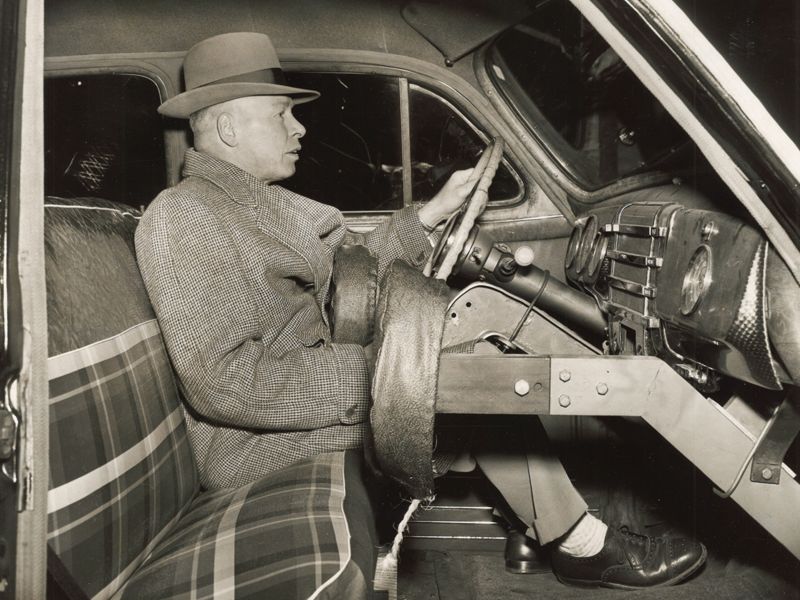
Professor James "Crash" Ryan begins crashing cars into barriers to study impact, leading to safer vehicle designs. He patents the automatic retractable lap safety belt in 1963 and also develops the “black box” flight recorder.
1950-1959
1952
University surgeons perform the first successful open-heart surgery using whole-body hypothermia and inflow stasis. Dr. F. John Lewis leads the operation, assisted by surgeons C. Walton Lillehei, Richard L. Varco and Mansur Taufic.
1958
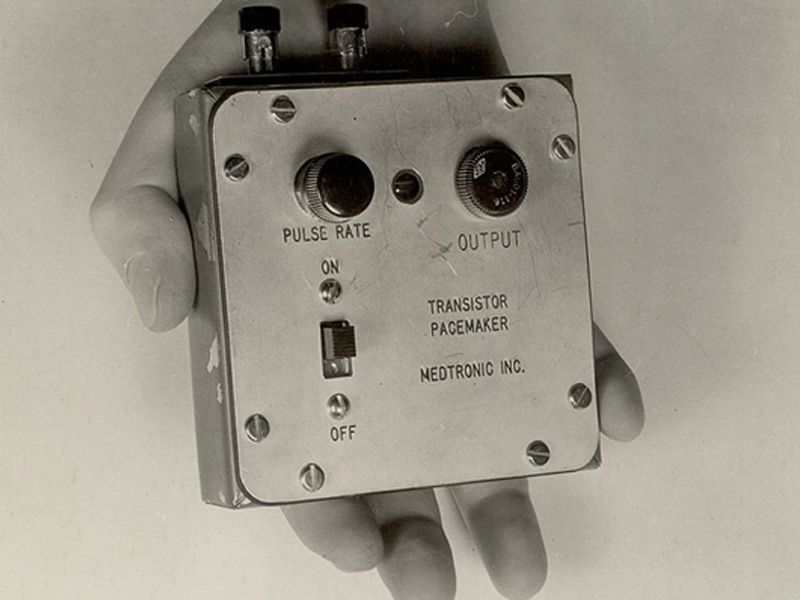
Drs. C. Walton Lillehei and Richard Varco collaborate with Earl Bakken, founder of Medtronic, to develop the world's first portable, external cardiac pacemaker.
1958
The Minnesota Landscape Arboretum is established on 160 acres. The Arboretum has grown to 1,200 acres in Chaska and attracts nearly 700,000 visitors per year.
1960-1969
1960
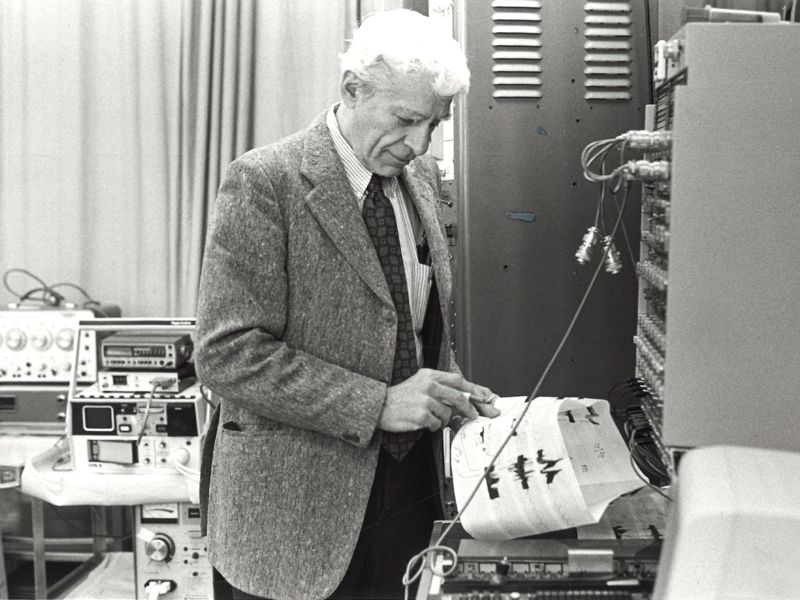
The antifibrillation heart drug bretylium is developed to save the lives of heart attack victims.
1960
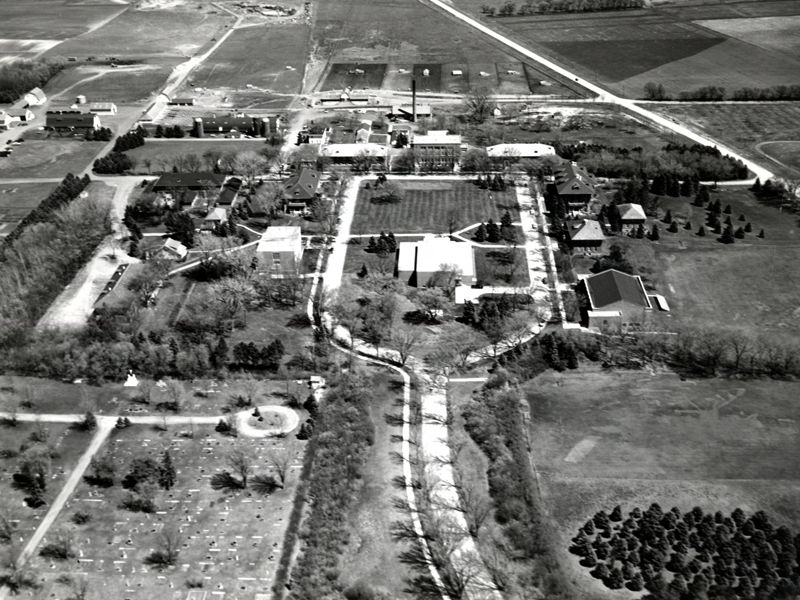
The University of Minnesota Morris opens its doors as an affordable, intentionally small, public liberal arts college. The “Morris experience” emphasizes faculty-student collaborative research, study abroad opportunities, and service-learning.
1968
The first bone marrow transplant is conducted at the University by Dr. Robert Good.
1969
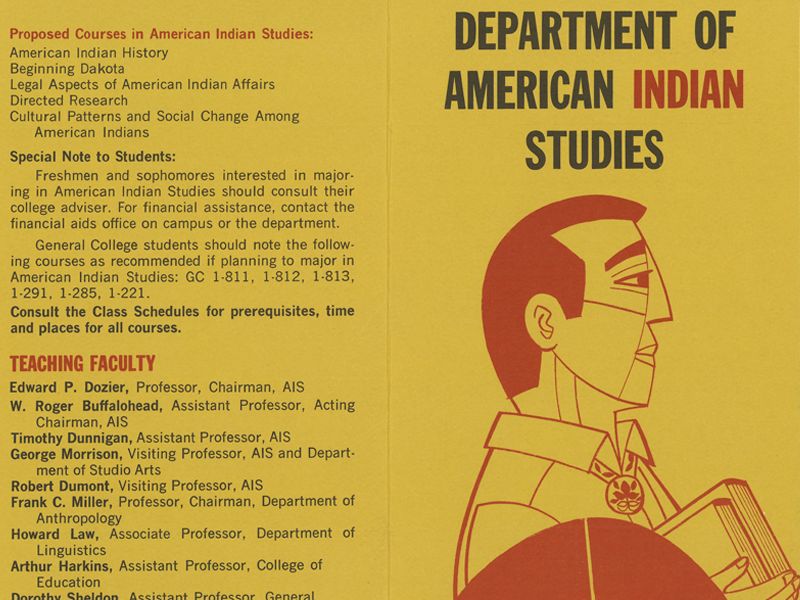
The Department of American Indian Studies is established as the first of its kind at a U.S. university.
1970-1979
1970
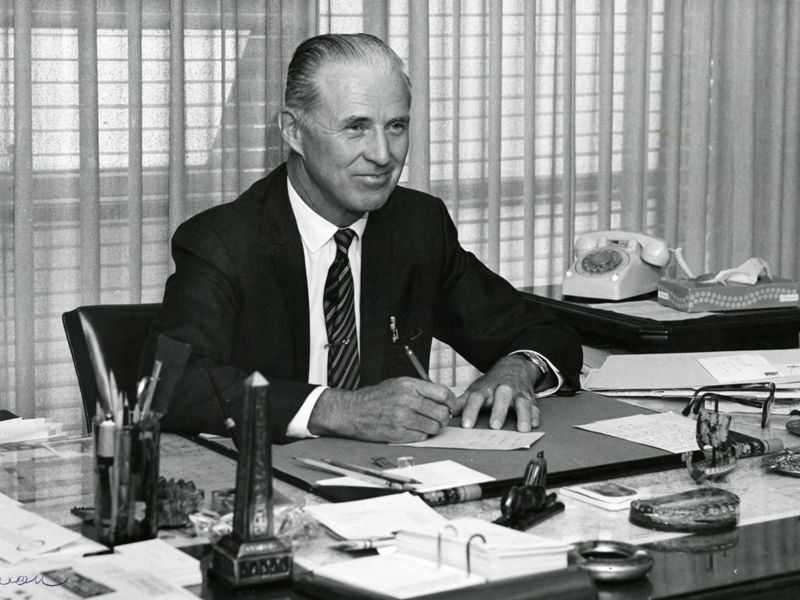
Alumnus Norman Borlaug wins the Nobel Peace Prize for his unparalleled contributions in using science to feed the world. His work in developing new varieties of wheat starting in the 1940s spawned the “Green Revolution,” and is credited with saving at least a billion lives.
1972
Medical students start attending classes on the Duluth campus.
1980-1989
1981
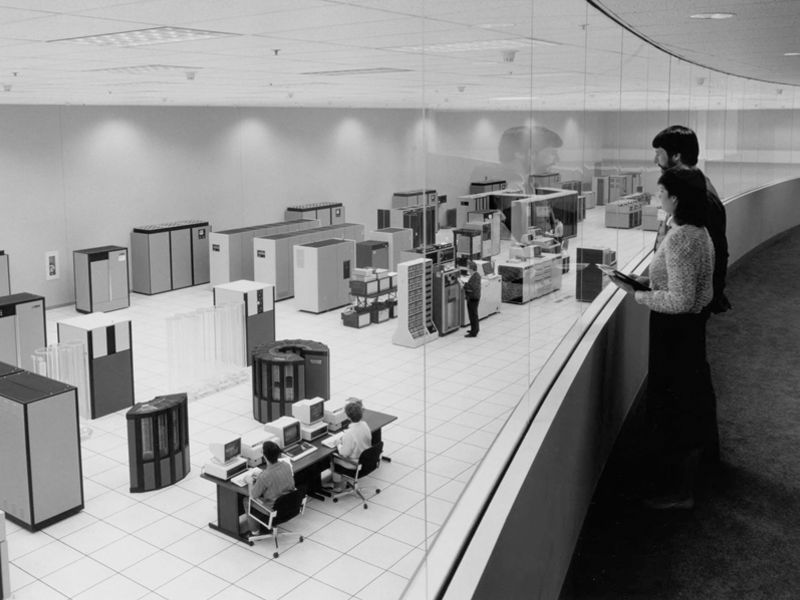
The University is the first American university to acquire a supercomputer (a Cray-1).
1980-1989
1982
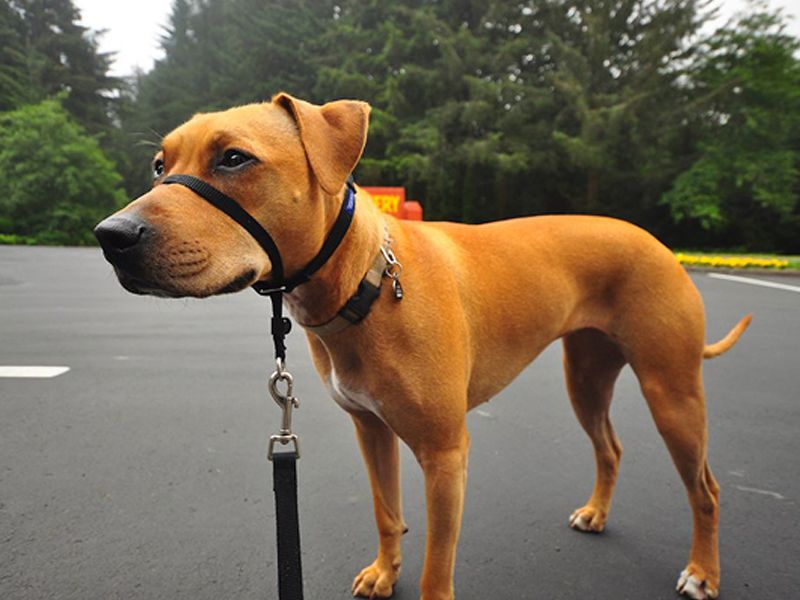
Veterinary medicine and public health professor Robert “RK” Anderson co-invents the Gentle Leader collar for dogs. The Smithsonian named the collar one of the world’s 100 best inventions.
1988
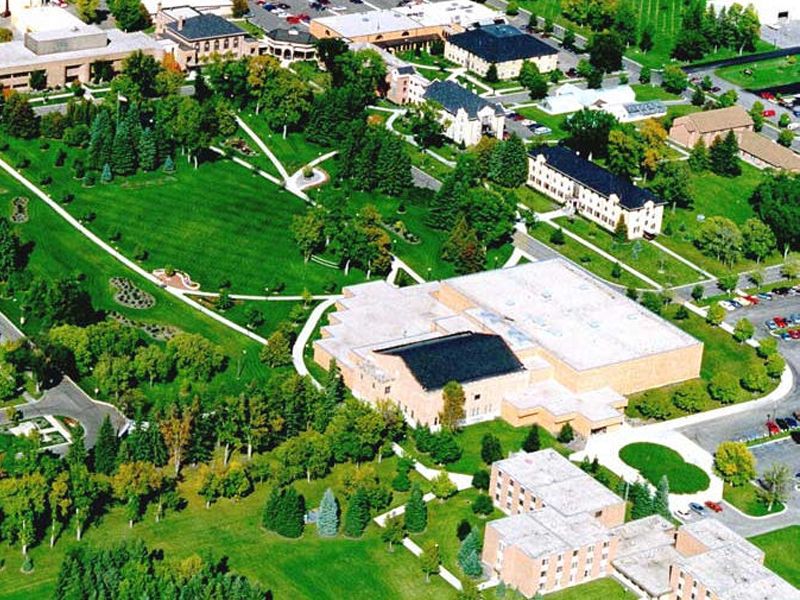
The Board of Regents changes the name of the University of Minnesota Technical College to the University of Minnesota Crookston. The campus traces its roots back to the Northwest School of Agriculture, established in 1906.
1990-1999
1991
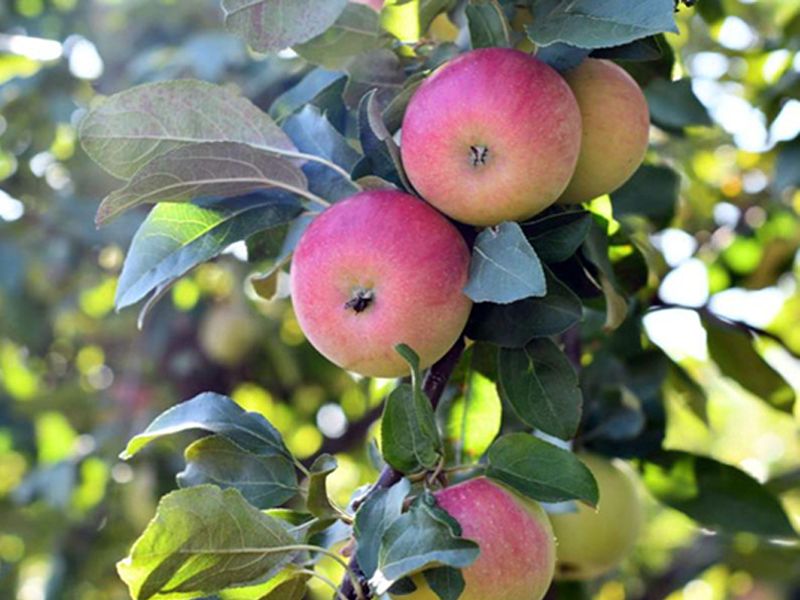
Breeders from the University of Minnesota release the Honeycrisp apple, forever changing the trajectory of apple breeding. The Honeycrisp has grown to become the third-most-produced apple in the country and became Minnesota’s official state fruit in 2006.
1993
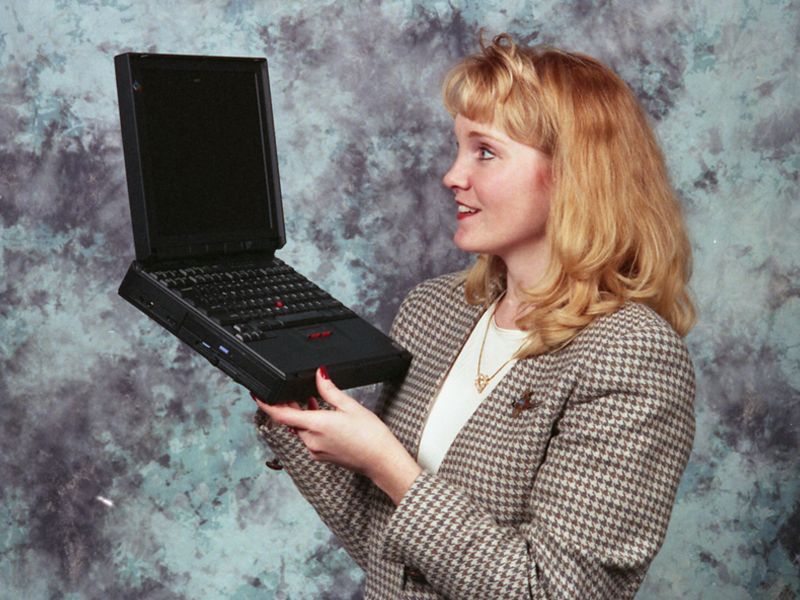
The Crookston campus begins providing each full-time student and faculty member with a notebook computer and preinstalled software — a first in the nation — and becomes known as the original “Laptop U.”
1993
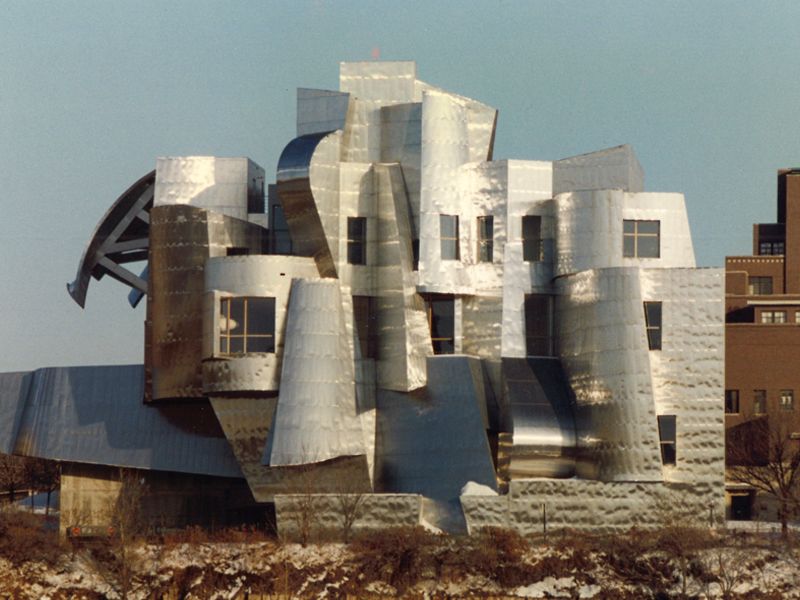
The iconic new Frederick R. Weisman Art Museum, designed by Frank Gehry, becomes a landmark along the Mississippi River.
1997
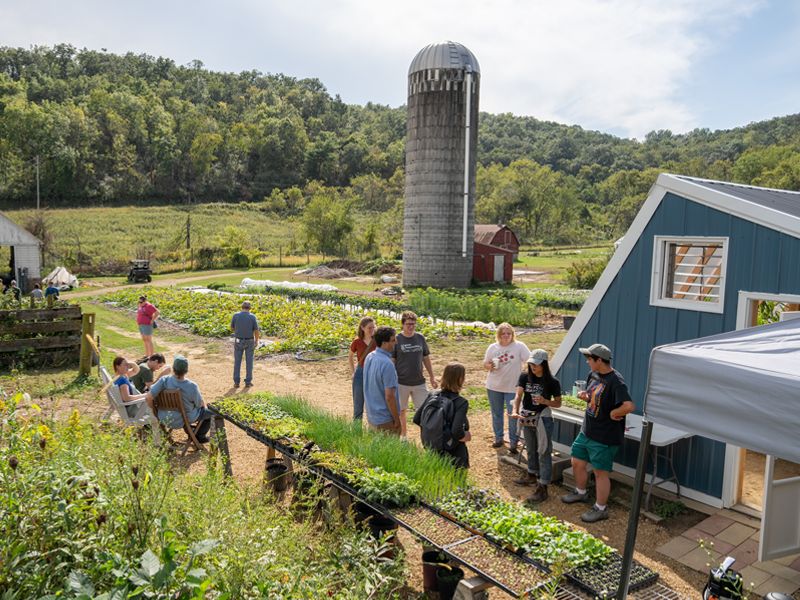
In 1997, the Minnesota Legislature establishes the Regional Sustainable Development Partnerships (which became a part of University of Minnesota Extension in 2011), to foster Greater Minnesota sustainability through a two-way flow of expertise and ideas between communities and the University.
2000-2009
2000
The Stem Cell Institute becomes the world’s first interdisciplinary institute dedicated to stem cell research.
2001
The Center for Infectious Disease Research and Policy (CIDRAP) is established to tackle global health threats and pandemics.
2006
The University of Minnesota Rochester is founded as the newest campus of the University to address the growing need for public higher education in the Rochester area.
2006
The Venture Center is established to take ideas and technology from University research, prepare them for the market and launch new businesses around them. Since 2006, more than 300 startup companies have been launched.
2008
The University opens state-of-the-art Medical Devices Center research laboratory facility on the fifth floor of Shepherd Labs and launches Innovation Fellows Program.
2010-2019
2012
The University launches a first-of-its-kind digital dictionary to help preserve and revitalize the Ojibwe language.
2013
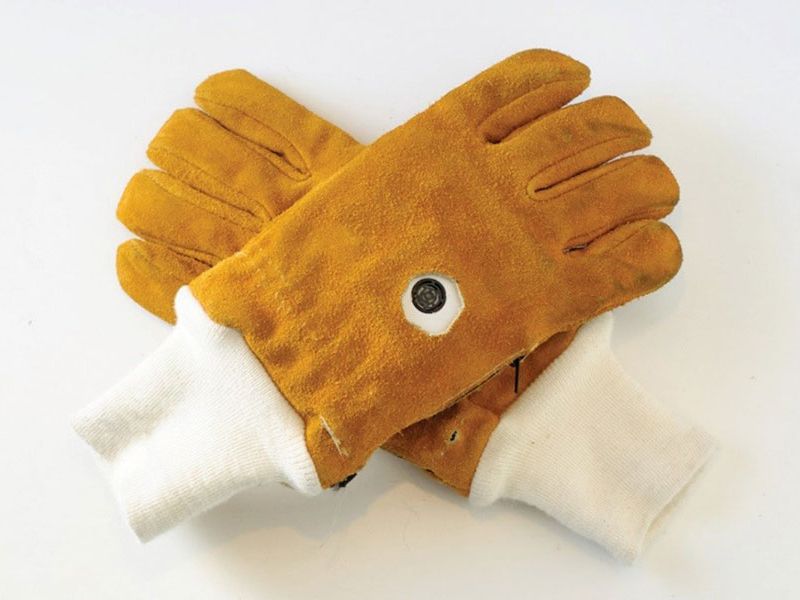
Lucy Dunne develops a high-tech glove for firefighters that emits sonic waves to scan an area for obstacles that would be difficult to see in a smoky room. Her materials have also helped athletes, NASA astronauts and people with chronic health conditions.
2014
University researchers collaborate with Mayo Clinic on Regenerative Medicine Minnesota, a new center aimed at advancing regenerative medicine in research, technology, education and patient care across the state.
2016
University scientists, led by biomedical engineering professor Bin He, create a non-invasive way for people to move objects using only their mind! This could eventually bring more independence to people with brain or spinal cord injuries.
2017
Five years after the Minnesota Aquatic Invasive Species Research Center (MAISRC) is established, MAISRC begins certifying citizens from around the state as Aquatic Invasive Species detectors.
2020-Present
2020
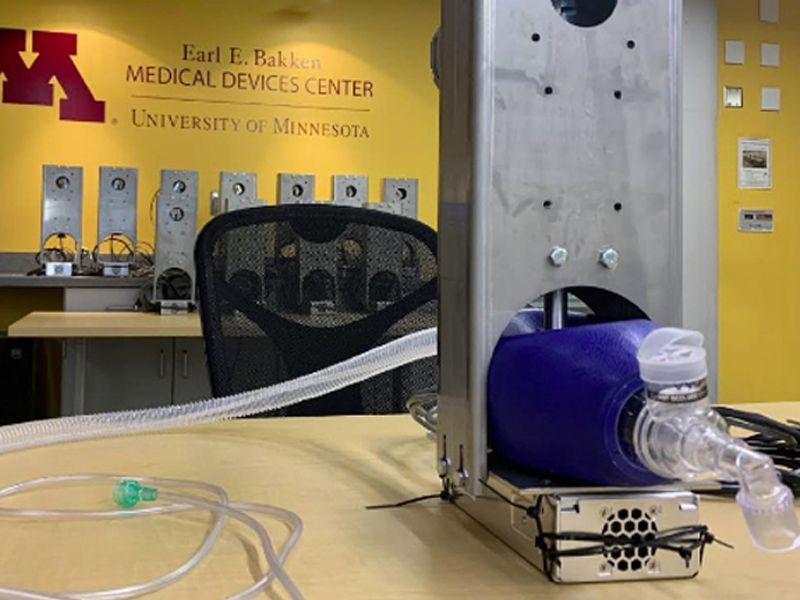
A team of University researchers and an alumnus develop a low-cost ventilator (the Coventor) that becomes the first of its kind authorized for use by the FDA during the COVID-19 outbreak.
2025
The Medical School's CentraCare Regional Campus in St. Cloud opens with a class of 24 first-year medical students.

2026
Researchers announce the development of the world’s first synthetic cell with a complete life cycle, built entirely from non-living chemical components. The project, called SpudCell, marks a major breakthrough in biological engineering.